Summer A/C check: spot trouble before the heat arrives
The signs of a weak air conditioning system and what a proper check involves.
Maintenance
The school routine leaves little room for breakdowns, so an hour of checking now can save a lot of mornings.
Once school starts, your car gets used on a tight schedule: early drop-offs, stop-and-go lines, after-school activities and a lot of short trips. Short trips are hard on a car, since the engine and battery rarely get to warm up fully. Summer vacations can also hide small issues you have been living with. This checklist covers what matters most.
Brakes get a heavy workout in school zones and pickup lines. Listen and feel for these signs:
If you notice any of these, have the brakes inspected soon. Pads are far less expensive to replace before they damage the rotors.
Check the pressure in all four tires, plus the spare, when they are cold, using the figure on the driver's door sticker. Look at the tread depth and check for cracks or bulges on the sidewalls. Heavily loaded backpacks, sports gear and extra passengers add weight, and correct pressure matters more with a full car. Rotate your tires if the mileage is due.
A battery that struggled in summer heat may fail without warning on the first cool morning. Signs of trouble include slow engine cranking, dim headlights at idle, a dashboard battery light and corrosion around the terminals. Most batteries last about three to five years, so if yours is older than that, a quick test is worthwhile. Testing is fast and typically takes only a few minutes.
Tip: Keep a small flashlight, a phone charger and a set of jumper cables in the trunk. They cost little and tend to be needed at the worst moment.
Early mornings and shorter afternoons mean you will use your headlights and wipers more soon.
Pop the hood and take a few minutes to look at the basics. Check the engine oil level and its color, along with coolant, brake fluid and power steering fluid, if your car uses it. If the oil is dark and overdue for a change, schedule it. Look at the visible belts for cracks and fraying, and look under the car for fresh spots where it has been parked.
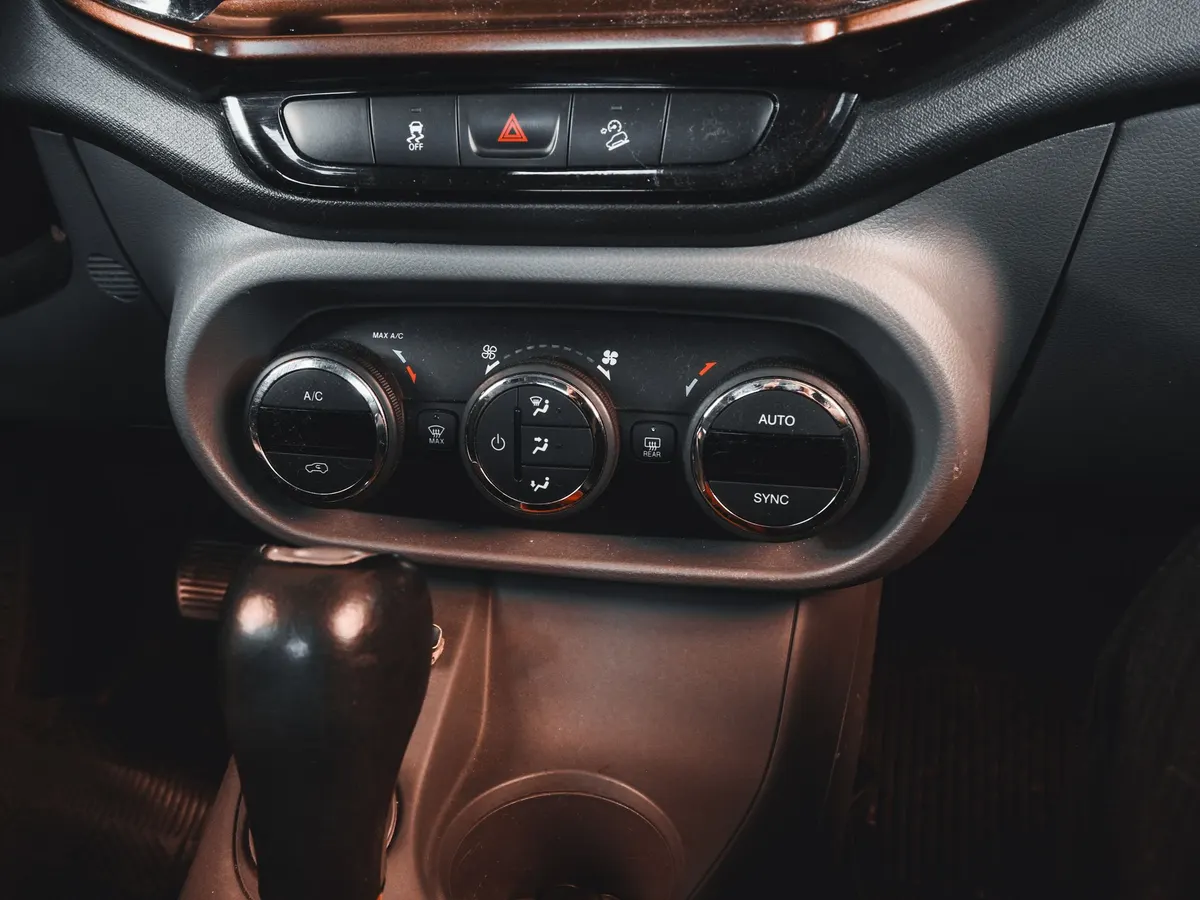
Even in late summer, a cabin that is comfortable keeps drivers focused and kids calmer. Make sure the A/C still cools well, and that the fan and defrost work, since foggy windows in the first cold snap are a safety problem.
None of this needs to be expensive. Most of it takes minutes, and the rest can be done at a regular service visit. Our maintenance page shows what a routine visit typically covers if you would like to compare.
More from the blog
The signs of a weak air conditioning system and what a proper check involves.
Why heat is hard on rubber and the simple checks that keep summer trips safe.
Want it checked before school starts?
We will look over brakes, tires, battery, wipers and fluids, then explain the findings in plain English.
Northline Assistant
Demo chatbot Automated replies