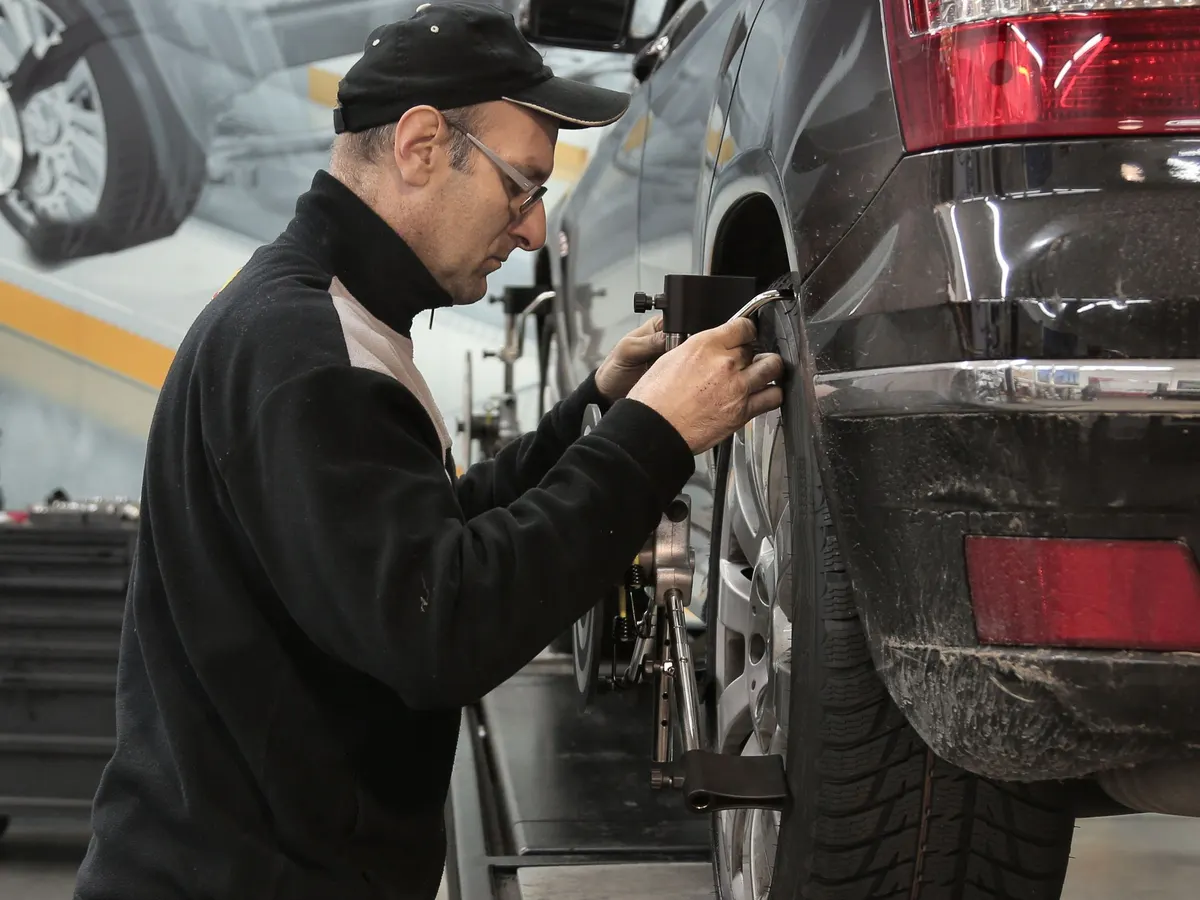
Wheel alignment basics: what it is and when you need one
What alignment adjusts, the warning signs and why it protects your tires.
Air conditioning
Most air conditioning problems announce themselves early, if you know what to look and listen for.
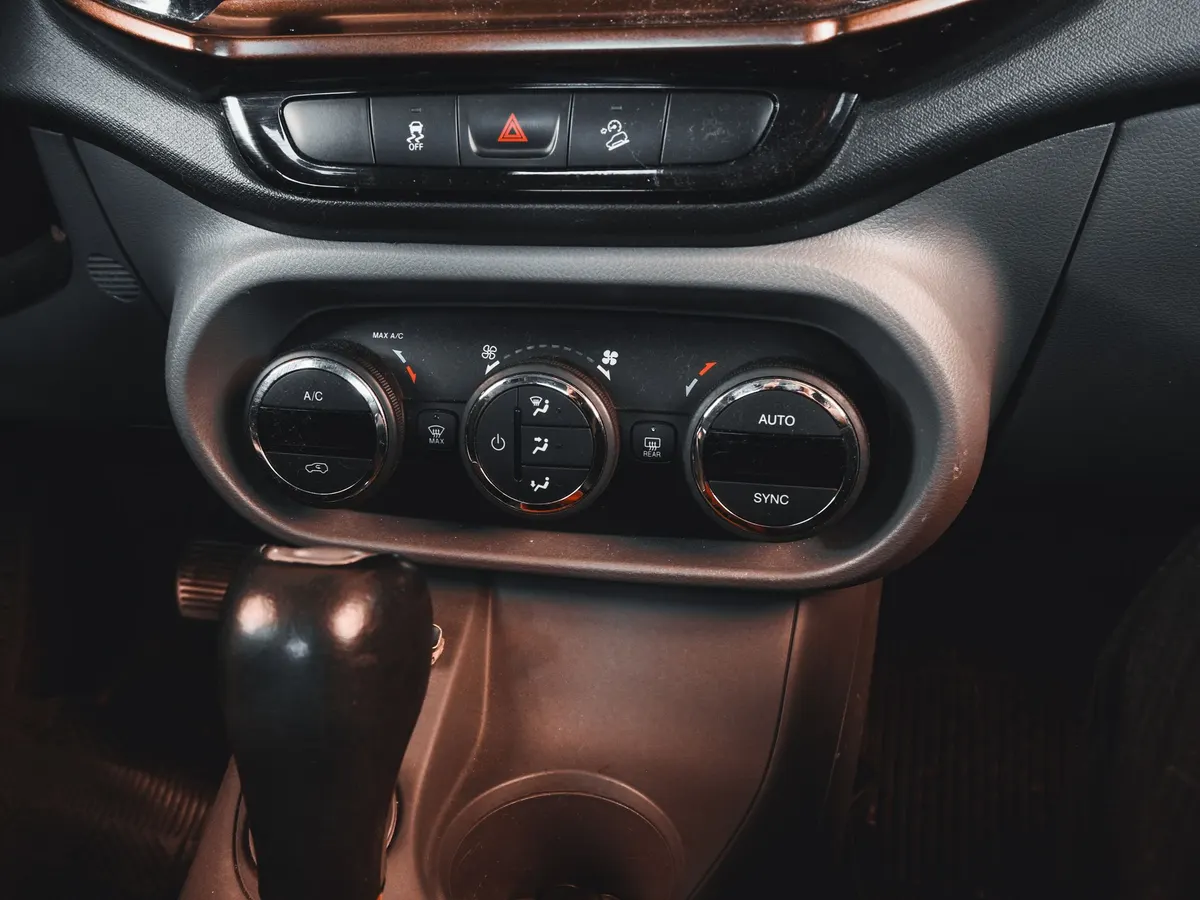
A car's air conditioning is easy to ignore until the first hot afternoon, and by then every repair shop in town is busy. Spending ten minutes on a few simple checks in early summer can tell you whether the system is healthy or quietly losing ground.
The system moves heat out of the cabin rather than creating cold. A compressor pressurizes refrigerant, which flows through a condenser at the front of the car, cools down and then expands in an evaporator behind the dashboard. Cabin air passes over that cold evaporator and the fan pushes it through the vents. Because the refrigerant sits in a sealed circuit, a drop in cooling almost always means a leak, a failing part or a blockage rather than something that simply "wore out."
Watch for these changes, ideally while the weather is still mild enough to notice them:
Tip: Run the A/C for a few minutes every week, even in cooler months. The refrigerant carries oil that keeps seals soft, and unused systems tend to leak sooner.
A can of refrigerant from the parts store can seem like a quick fix, but a system that is low is almost always leaking. Topping it up without finding the leak means the problem returns, sometimes within weeks, and too much refrigerant can be as harmful as too little. A proper diagnosis measures pressures, checks for leaks using dye or an electronic detector, and tests the compressor, fans and controls before recommending a repair.
You should come away with plain findings: what was measured, what is wrong, what is optional and what it costs. Nothing should be repaired without your approval.
An A/C system rarely fails without warning. If it feels weaker than last year or smells off, have it looked at early. Small repairs are less expensive than replacing a compressor that has been run low on refrigerant. If you want a second opinion, our air conditioning and heating page explains how we approach diagnosis.
More from the blog
What alignment adjusts, the warning signs and why it protects your tires.
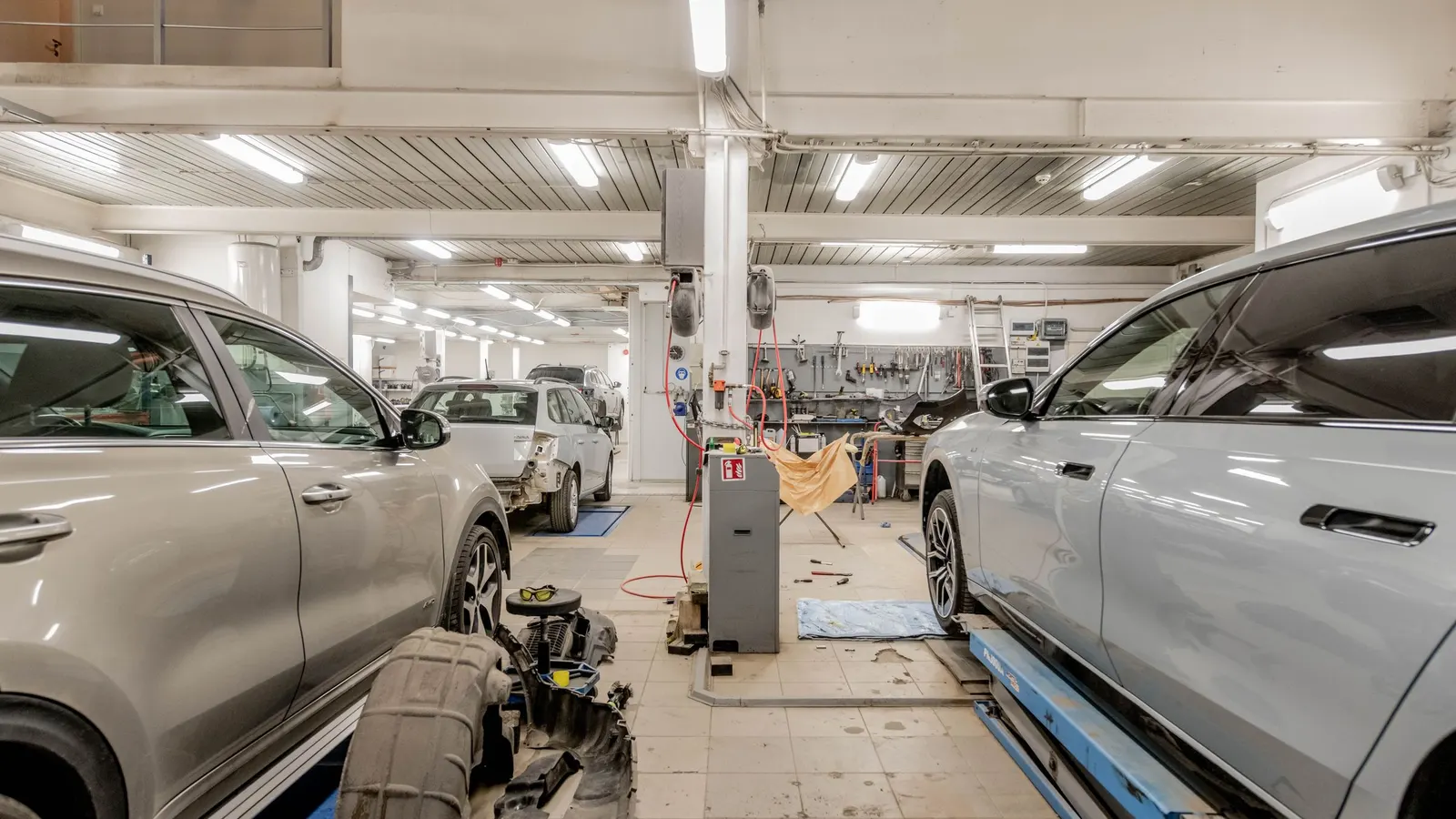
Why heat is hard on rubber and the simple checks that keep summer trips safe.
Air not as cold as it was?
We test pressures, look for leaks and explain the findings in plain English before you approve any repair.
Northline Assistant
Demo chatbot Automated replies