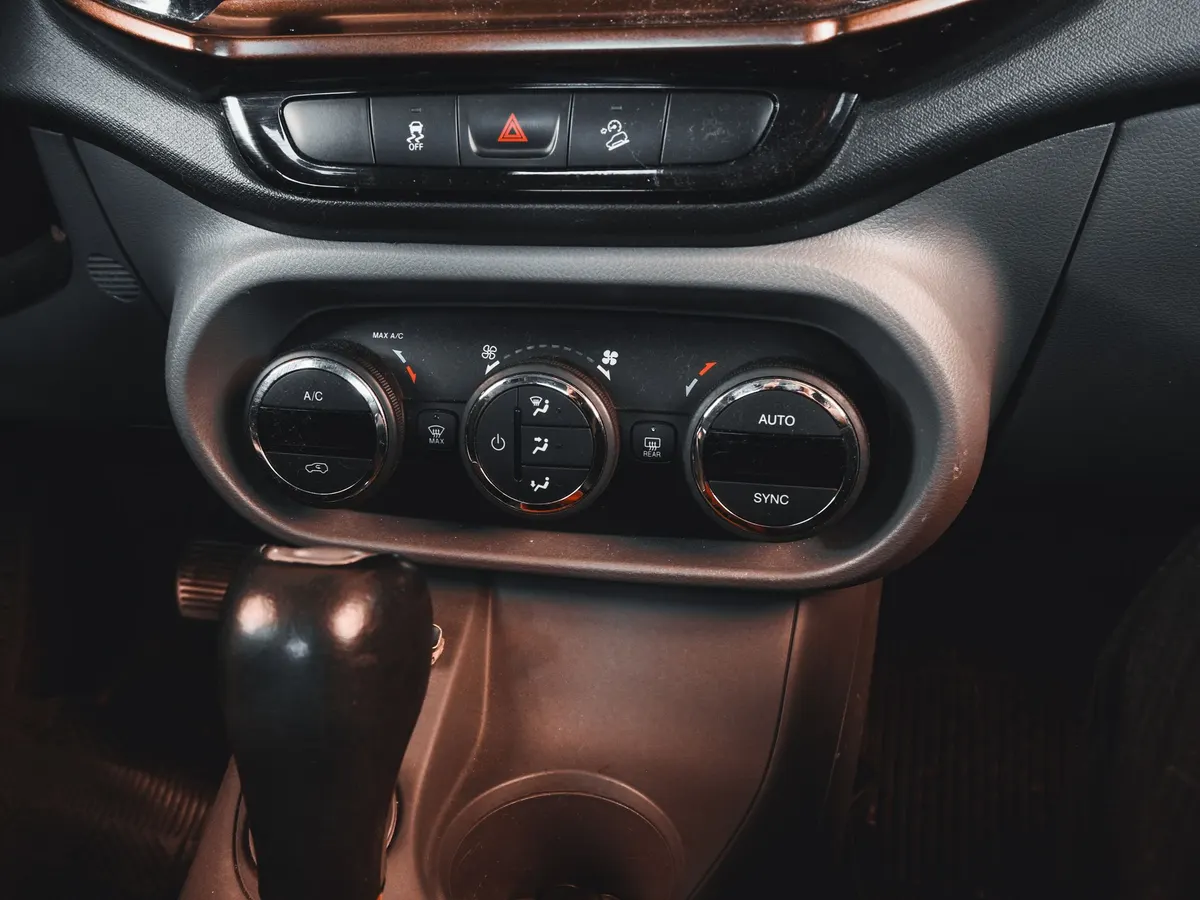
Summer A/C check: spot trouble before the heat arrives
The signs of a weak air conditioning system and what a proper check involves.
Tires
A small change in wheel angles can wear out a set of tires early, so it helps to know the signs.
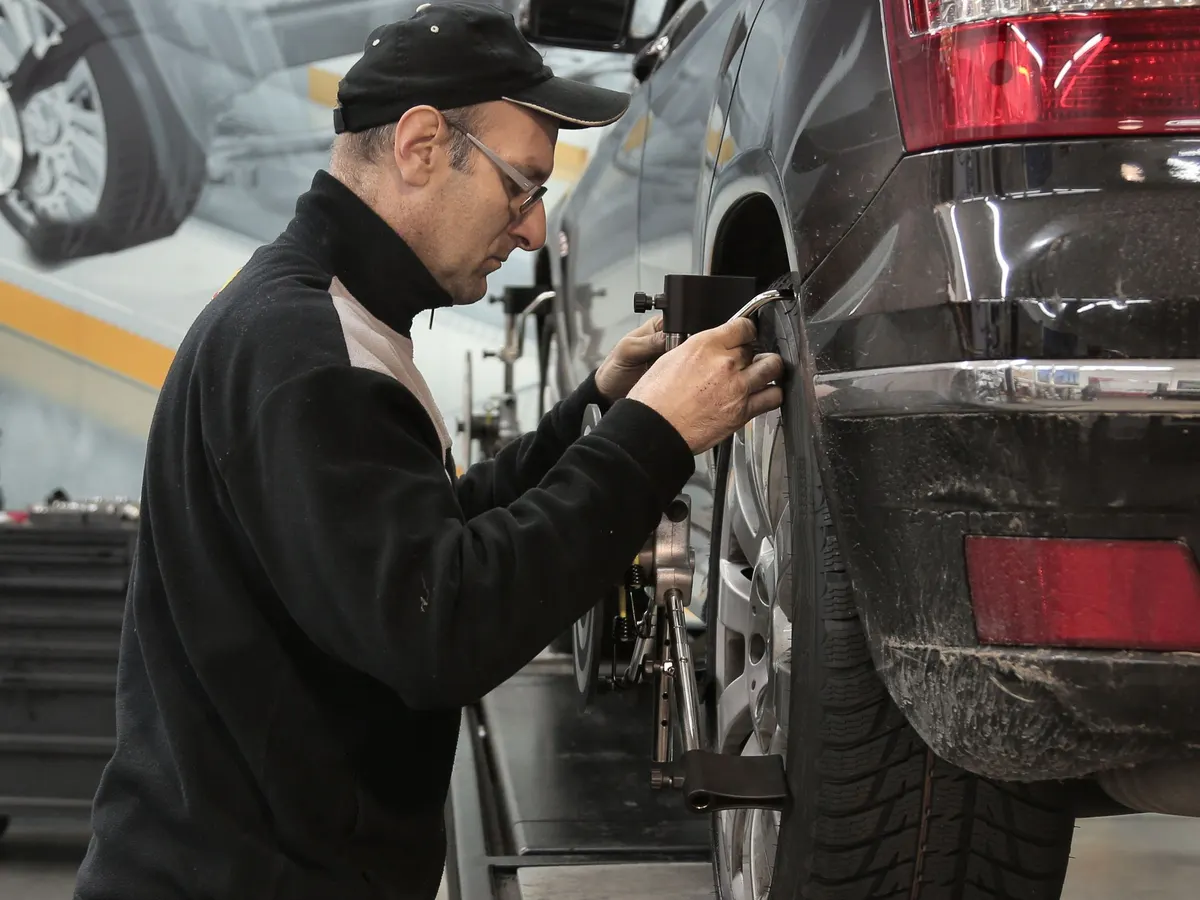
Alignment sounds technical, but the idea is simple. It means setting the angles of your wheels so they point the way the car's maker intended and meet the road flat. Nothing is added to the car and no tire is replaced. The suspension is adjusted so that all four wheels work together.
Three angles matter most, and a technician measures each one on an alignment rack.
Alignment rarely fails all at once. It drifts, and you tend to adapt without noticing. Watch for these clues:
Some of these symptoms can also come from an out-of-balance wheel, low tire pressure or a worn suspension part. That is why a good alignment visit starts with an inspection rather than a quick adjustment.
Tip: Run your hand across the tread of each front tire. If it feels smooth in one direction and sharp or feathered in the other, the tire is being dragged sideways and the alignment deserves a look.
Potholes, curbs and railroad crossings take a toll over time, and so does a minor fender-bender you barely noticed. Worn ball joints, tie rod ends and control arm bushings let angles wander even if you never hit anything. Changing the ride height with lowering or lift kits also changes the angles, so it should always be followed by an alignment.
There is no single mileage that suits every car, but these moments are sensible checkpoints:
A properly aligned car tracks straight, needs fewer steering corrections, and puts less strain on suspension parts. The biggest savings show up in your tires. A set that should last years can lose a large share of its life when the angles are wrong, and tires are one of the larger routine costs of owning a car. Better rolling resistance can also help fuel economy slightly.
Rotating your tires on schedule spreads wear across all four positions, but it cannot fix a bad angle. If an alignment problem is present, rotation only delays the damage a little. Keep up with both, and check tire pressure monthly, since a tire that is low on air can wear unevenly and make the car feel off even when the angles are perfect.
An alignment visit usually takes about an hour. The technician inspects the tires and suspension, mounts sensors on each wheel, reads the current angles and adjusts what can be adjusted. You should receive a printout or a plain explanation of the before and after readings. If a worn part prevents a correct setting, it should be explained to you before anything else is done, with the price approved by you first.
At Northline we do this as part of our brakes, steering and alignment work, but the advice above applies wherever you take your car.
More from the blog
The signs of a weak air conditioning system and what a proper check involves.
Why heat is hard on rubber and the simple checks that keep summer trips safe.
Notice pulling or uneven wear?
Book an inspection and you will see the measurements and approve the price before any work begins.
Northline Assistant
Demo chatbot Automated replies